
Compare FPV suppliers using a defined configuration, normalized quotation, approved sample and batch-change process. Record MOQ, timing and support terms for the proposed order.
Evaluate an FPV drone supplier with one controlled quotation pack, one sample-acceptance plan, and one batch-change process. Unit price is meaningful only after configuration, package contents, quantity unit, documentation, spares, delivery terms, and support responsibilities are aligned.
An FPV drone supplier or FPV quadcopter supplier may manufacture parts, assemble aircraft, source systems, or coordinate trade and logistics. An FPV drone wholesaler may source rather than assemble, so none of these labels proves the same capability. Ask who selects components, who performs assembly, who records firmware and settings, who approves substitutions, and who responds to defects. For an FPV drone bulk order, record the legal seller and the technical contact separately so commercial questions do not obscure engineering decisions.
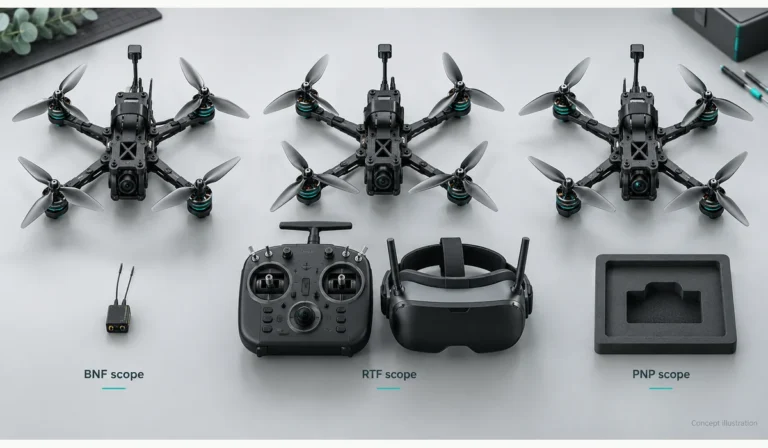
Issue a request pack with a configuration identifier, quantity, unit of measure, required accessories, acceptable substitutions, destination, desired schedule, and requested trade terms. Separate per-aircraft items from shared ground equipment. A low quote may exclude receivers, propellers, batteries, goggles, configuration work, packaging, or documentation. Use the site’s RFQ checklist to structure fields, then add FPV-specific radio, video, firmware, and sample requirements.
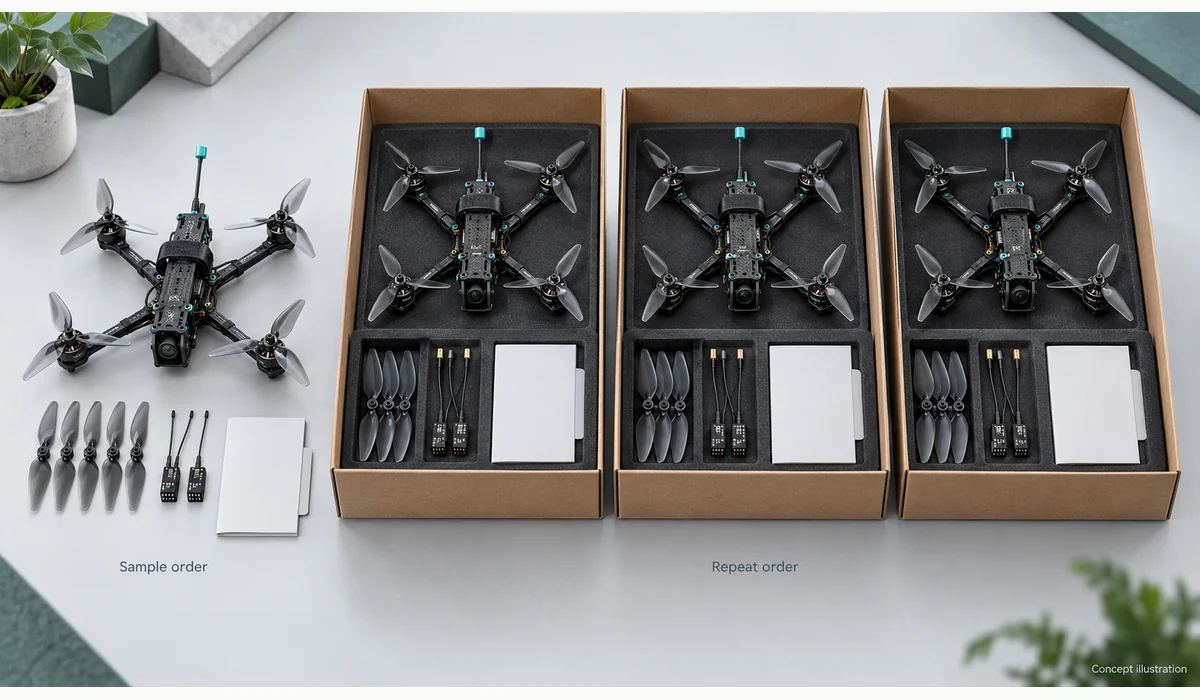
Agree on a sample record that identifies the approved configuration, package list, photos, relevant firmware or settings, and acceptance results. Request a bill of materials (BOM) or another agreed configuration reference. If a full BOM is unavailable, identify the components that require change approval and leave unresolved items visible. Before batch release, state which substitutions require notice and whether a changed item needs a new sample. The sample request guide helps define what the sample must demonstrate. For incoming inspection, agree on identity checks, any functional sampling and escalation rules with the buyer’s quality process; no universal acceptance percentage is assumed.
Ask the supplier to separate sample preparation, production or sourcing time, and transit time. Record what starts each quoted period, such as an approved configuration, sample approval or an agreed payment milestone. Confirm how changes affect the estimate, whether partial shipments are allowed, and who handles packing labels, spares, defect reports and repair or replacement decisions. Request the MOQ and delivery estimate for the exact configuration and quantity; leave them open until quoted. Use the package-contents checklist to separate included, optional and excluded items. Assign responsibility for shipment documents and any destination-specific checks before releasing the order.
| Review area | Evidence or decision to record |
|---|---|
| Configuration | BOM revision, firmware and approved alternatives |
| Wholesale FPV drone scope | Quantity unit, inclusions, terms and schedule basis |
| Quality | Sample record, incoming checks and deviation path |
| Support | Spare IDs, defect process and response owner |
| Schedule | Quoted MOQ, sample timing, batch timing and start conditions |
| Documents | Agreed records, packing list and responsible contacts |
Issue the matrix as part of the RFQ so every FPV quadcopter supplier responds against the same configuration, quantity units, package boundary, evidence, and delivery assumptions. Carry unresolved fields into sample approval instead of hiding them in a total price.
Imagine offers from three companies, each acting as an FPV drone wholesaler, for ten aircraft. One price is per assembled aircraft, one bundles a radio and goggles with every aircraft, and one excludes receivers, propellers, configuration, and freight. A simple total-price sort would rank unlike scopes. Normalize the offers into per-aircraft items, per-pilot equipment, shared bench equipment, one-time work, spares, and order-specific charges. Then mark every unresolved field instead of estimating it.
The same discipline applies after sample approval. If a motor, receiver, air unit, or frame revision changes, the supplier should identify the affected units and the buyer should decide whether documents, bench checks, or a new flight sample must be repeated.
For a manufacturer example, the iFlight Chimera7 Pro V2 O4 product page lists receiver choices, optional accessories, package contents and dated change notes. These fields show why the current receiver, revision, accessories and packing list should be identified in a quotation. The example describes that manufacturer’s listing; the configuration and supply scope for a DroneNook inquiry require separate confirmation.
DroneNook is an independent sourcing contact in Shenzhen. Start with the required aircraft or part reference, configuration, sample objective, quantities, destination and document needs. Send this pack through the DroneNook contact form for review. Availability, MOQ, pricing, timing and support scope are confirmed for the proposed order.